April 22, 2026
Working on a residential roofing project is one of the most significant improvements a homeowner can undertake. It involves planning, coordination, budgeting, and technical expertise that must come together seamlessly for a successful outcome. While roofing materials and design choices are important, the relationship between the homeowner and the professionals overseeing the project is just as critical. A skilled general contractor plays a central role in ensuring that every phase of the project is executed efficiently, safely, and according to expectations.
Residential roofing projects often involve multiple moving parts, from structural assessments to material selection and installation timelines. Without proper coordination, even small missteps can lead to delays or costly issues. That is why understanding how to work effectively with a general contractor is essential for achieving a smooth and successful roofing experience.
Understanding The Role Of A General Contractor In Roofing Projects
A general contractor serves as the central coordinator for residential roofing projects. They are responsible for managing the overall scope of work, ensuring that all tasks are completed in the correct order and according to building standards. This includes overseeing subcontractors, coordinating schedules, and ensuring that materials are properly sourced and delivered.
Homeowners often rely on a general contractor to bridge the gap between design plans and physical execution. While roofing specialists handle installation, the general contractor ensures that every aspect of the project aligns with the agreed plan. This includes budgeting, permitting, inspections, and communication with all parties involved.
In many residential projects, the general contractor also serves as the primary point of contact. This simplifies communication for homeowners, who may otherwise need to coordinate with multiple trades independently. Having a single point of responsibility helps reduce confusion and improves overall project efficiency.
The importance of this role becomes even clearer when considering industry trends. According to Mordor Intelligence, residential roofing held 59.67% of the U.S. roofing market share in 2024.
This highlights the scale and demand of residential projects, reinforcing the need for experienced coordination and oversight. A capable general contractor ensures that this demand is met with professionalism and consistency.
Establishing Clear Communication From The Beginning
Effective communication is one of the most important factors in any successful roofing project. From the initial consultation to project completion, homeowners and the general contractor must maintain clear and consistent communication.
At the start of the project, expectations should be discussed in detail. This includes timelines, material preferences, budget considerations, and any specific concerns the homeowner may have. A general contractor helps translate these expectations into a workable plan that aligns with structural requirements and building codes.
Throughout the project, regular updates are essential. The general contractor provides progress reports, addresses unexpected issues, and ensures that the homeowner remains informed at every stage. This level of transparency helps build trust and reduces the likelihood of misunderstandings.
Clear communication also plays a role in decision-making. When unexpected challenges arise, the general contractor presents solutions and guides the homeowner through available options. This collaborative approach ensures that decisions are informed and aligned with the overall project goals.
Coordinating Materials And Scheduling Efficiently
Material selection and scheduling are critical components of any roofing project. A general contractor is responsible for ensuring that materials are ordered correctly and delivered on time to avoid delays.
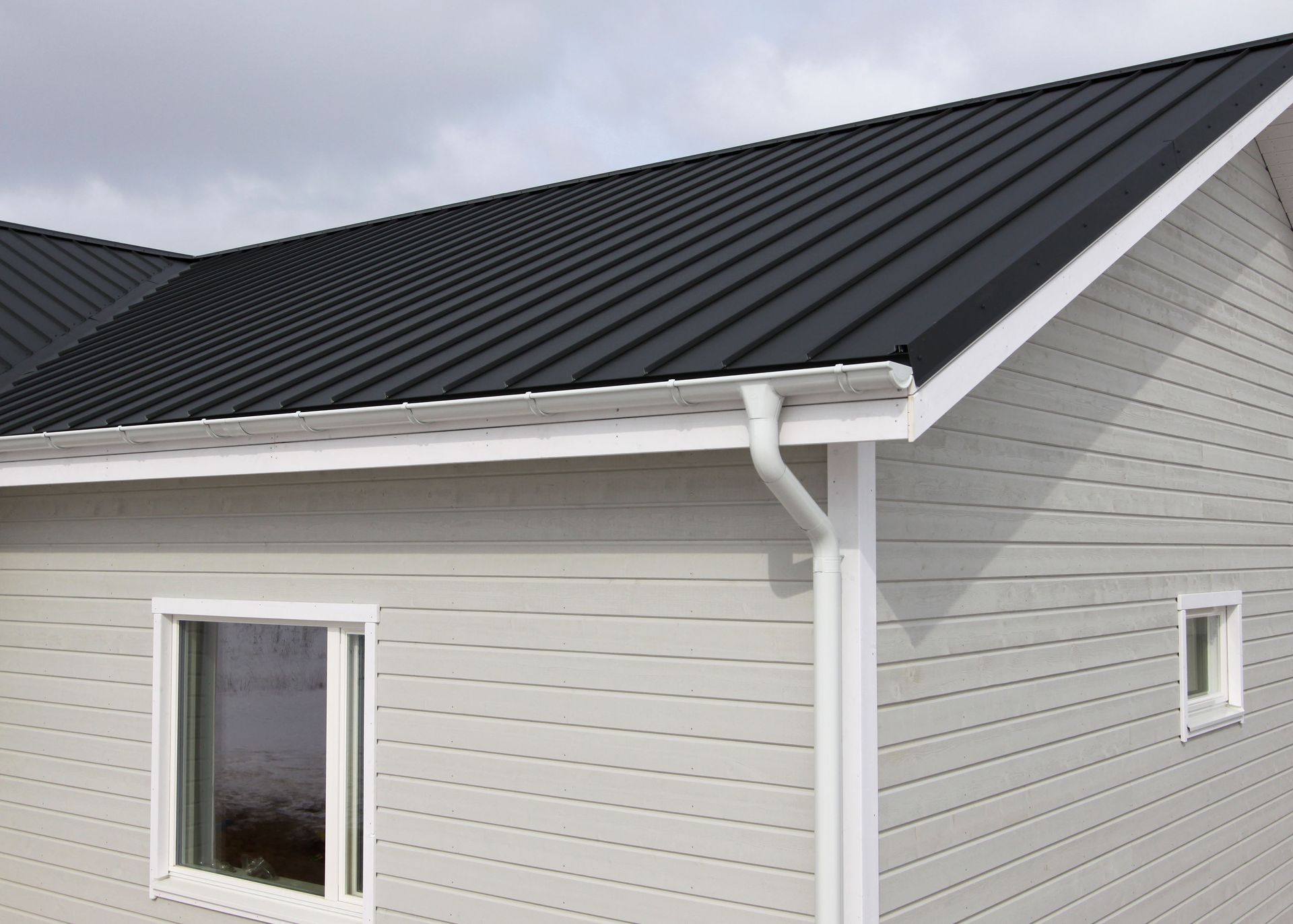
Roofing materials must be chosen based on durability, climate conditions, and design preferences. The general contractor works closely with suppliers and roofing specialists to ensure that the selected materials meet both functional and aesthetic requirements.
Scheduling is equally important. Roofing projects are often weather-dependent, and timing must be carefully planned to avoid disruptions. A general contractor coordinates labor availability, material delivery, and installation timelines to ensure that the project progresses smoothly.
When scheduling is managed effectively, homeowners benefit from reduced downtime and a more predictable project timeline. The general contractor ensures that each phase transitions smoothly into the next, minimizing unnecessary delays.
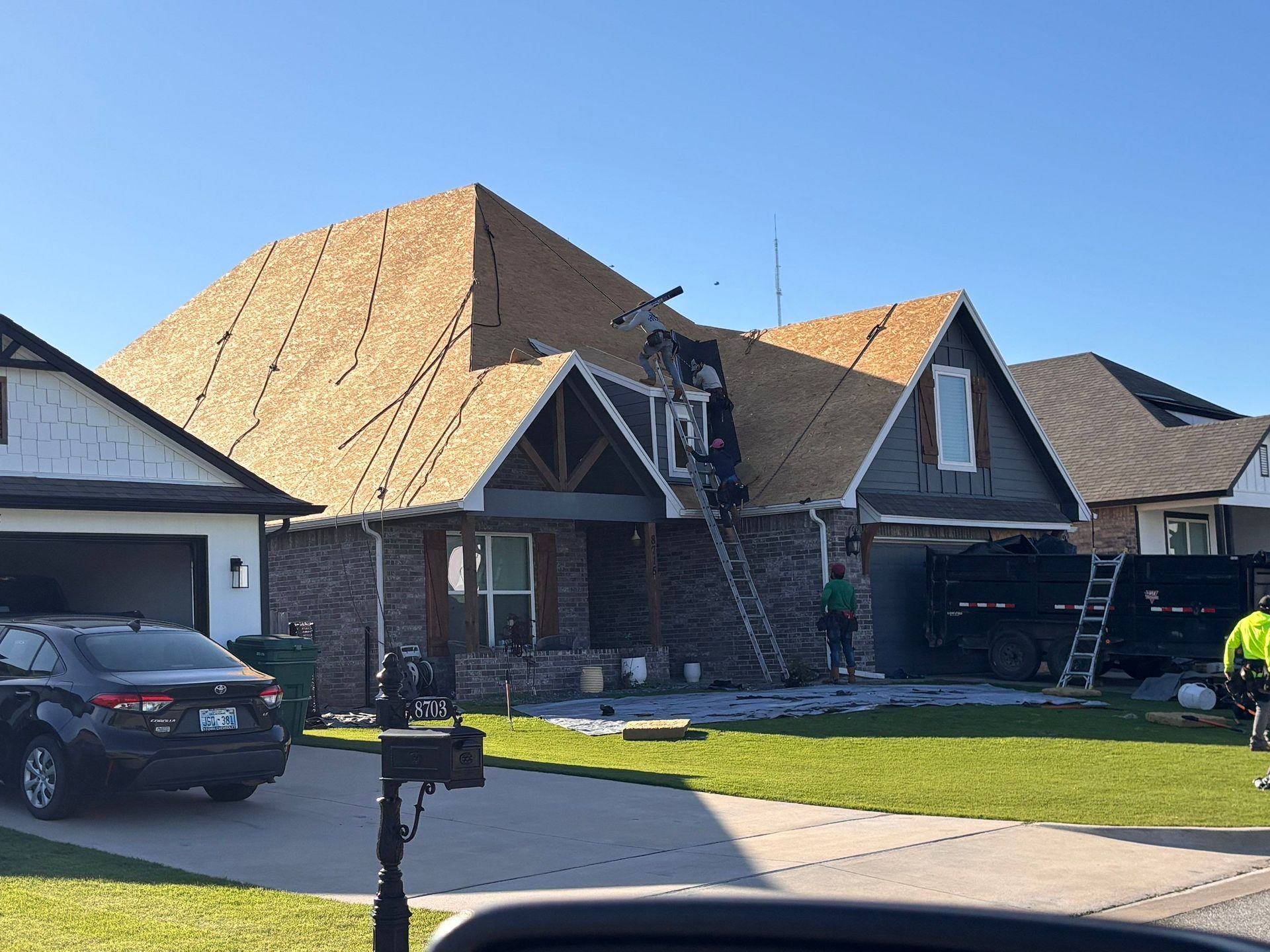
Managing On-Site Work And Quality Control
Quality control is a key responsibility during this phase. The general contractor inspects workmanship, verifies installation techniques, and ensures that safety protocols are followed. This helps maintain consistency and reduces the risk of future issues.
Subcontractors and roofing crews rely on the general contractor for direction and coordination. By maintaining oversight, the general contractor ensures that all team members are working toward the same objective and adhering to the project specifications.
Homeowners benefit from this structured approach because it reduces the likelihood of errors and ensures that the final result meets expectations. The general contractor acts as a safeguard for both quality and accountability.
Addressing Unexpected Challenges During Roofing Projects
Even with careful planning, residential roofing projects can encounter unexpected challenges. These may include weather delays, structural issues, or material availability concerns. A general contractor plays a crucial role in managing these situations effectively.
When unforeseen issues arise, the general contractor assesses the situation and determines the best course of action. This may involve adjusting timelines, sourcing alternative materials, or modifying installation methods.
Homeowners are kept informed throughout this process, ensuring that decisions are made collaboratively. The general contractor helps explain the implications of each option, allowing homeowners to make informed choices.
This ability to adapt is one of the most valuable aspects of working with a general contractor. Their experience allows them to anticipate potential problems and respond quickly when issues occur, minimizing disruption to the overall project.
Ensuring Compliance With Building Codes And Permits
Residential roofing projects must comply with local building codes and regulations. A general contractor is responsible for ensuring that all necessary permits are obtained before work begins.
Compliance is essential for both safety and legal reasons. Building codes are designed to ensure that roofing systems meet structural and performance standards. The general contractor ensures that all work aligns with these requirements.
Inspections are often required at different stages of the project. The general contractor coordinates these inspections and ensures that any required adjustments are made promptly.
By managing compliance, the general contractor protects homeowners from potential legal issues and ensures that the roofing system meets all necessary standards.
Supporting Long-Term Roofing Performance And Maintenance
The role of a general contractor does not always end when the roofing installation is complete. Many continue to provide guidance on maintenance and long-term care.
Proper maintenance is essential for extending the life of a roofing system. The general contractor may recommend inspection schedules, cleaning practices, and minor repairs to ensure ongoing performance.
By providing this guidance, the general contractor helps homeowners protect their investment and avoid unnecessary repairs in the future.
This long-term perspective reinforces the value of professional involvement in residential roofing projects.
Building Trust Through Professional Accountability
Trust is a foundational element of any successful construction project. A general contractor builds trust by maintaining transparency, delivering consistent communication, and ensuring accountability at every stage.
Working on a residential roofing project requires coordination, communication, and expertise. A general contractor plays a central role in bringing all of these elements together. From planning and scheduling to quality control and compliance, their involvement ensures that the project is completed efficiently and effectively.
By understanding how to work closely with a general contractor, homeowners can achieve better results, reduce stress, and ensure long-term roofing performance. Their guidance and oversight are essential to navigating the complexities of residential roofing projects.
AK Roofing & Construction is committed to delivering dependable roofing solutions through expert coordination, quality craftsmanship, and a strong focus on customer satisfaction.