October 22, 2026
Your roof protects your home from rain, wind, sunlight, and changing weather conditions. However, continuous exposure to these elements can gradually weaken roofing materials, making regular inspections essential for maintaining your property’s structural integrity. Unfortunately, many homeowners overlook roof maintenance until noticeable damage develops, potentially resulting in expensive repairs.
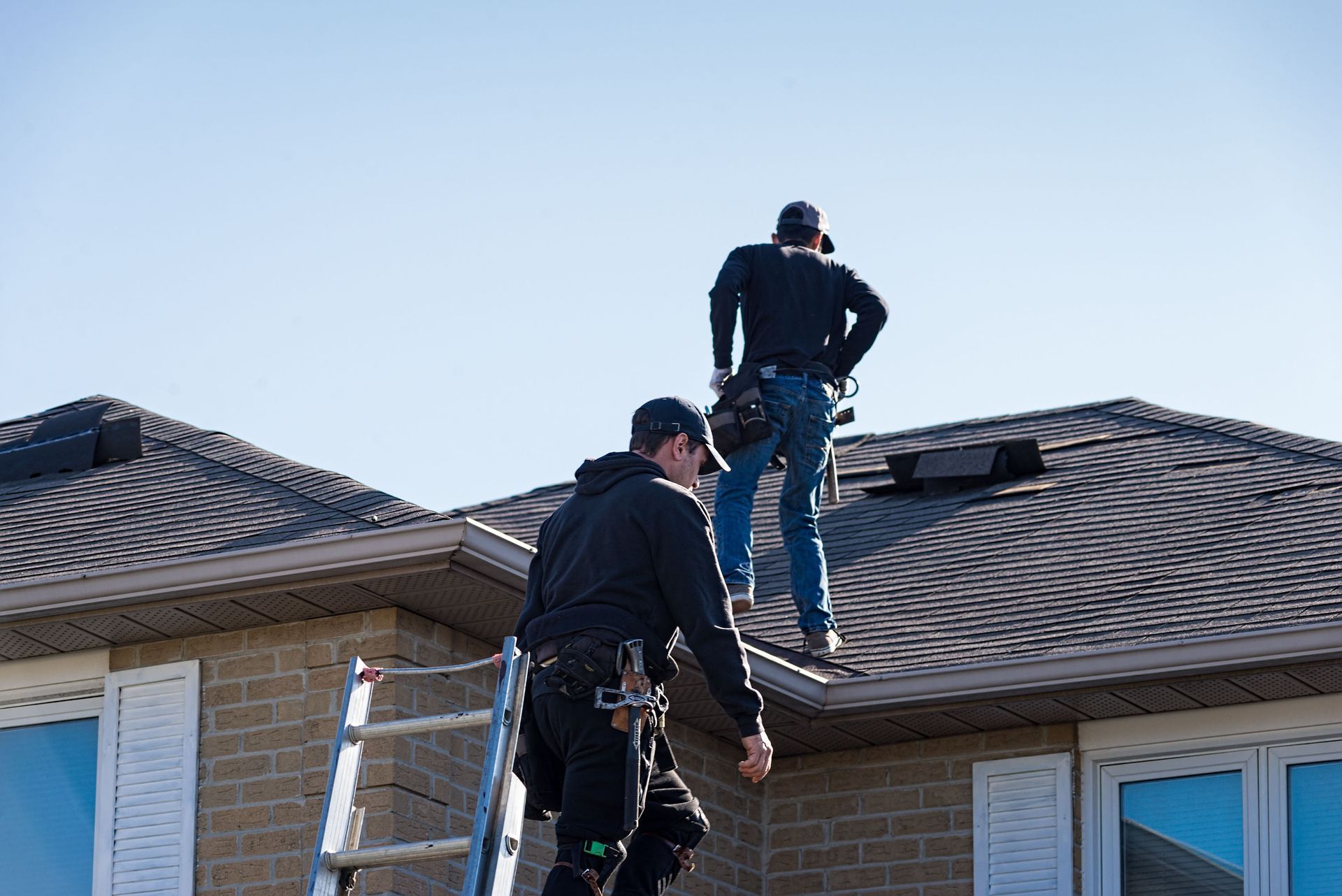
Knowing when to contact a roofing contractor for a professional inspection can help you identify problems before they become more serious. While some warning signs are immediately noticeable, others develop beneath the surface and require professional evaluation.
When to Call After Severe Weather
Severe weather is among the most common causes of residential roof damage. Strong winds, heavy rainfall, hailstorms, and falling debris can compromise roofing materials, even when the damage isn’t immediately visible from the ground.
Hailstorms are particularly concerning because impacts can weaken shingles, damage protective granules, and create vulnerable areas where moisture may eventually penetrate. In fact, according to State Farm, the company distributed more than $3.8 billion in 2024 to address hail-related damage to residential properties.
After significant storms, contacting a roofing contractor can help determine whether your roof sustained damage requiring attention. A professional inspection may reveal cracked shingles, loosened flashing, damaged vents, or compromised seals around roof penetrations.
Wind damage can also affect roofing components without completely removing shingles. Lifted edges and weakened adhesive strips may allow water to enter during future storms, increasing the likelihood of leaks and structural deterioration.
Scheduling an inspection after severe weather provides an opportunity to document existing conditions, identify necessary repairs, and prevent minor storm damage from developing into more extensive roofing problems.
When to Call After Discovering Water Leaks
Water stains on ceilings, damp attic insulation, and unexplained moisture around interior walls can indicate potential roofing problems. Although these symptoms may originate from different sources, roof leaks are a common concern that warrants professional investigation.
A roofing contractor can examine vulnerable areas, including flashing, roof valleys, skylights, and ventilation openings, to identify possible entry points for moisture. This evaluation is important because water rarely travels directly downward from the original leak location.
Instead, moisture can move along structural supports, insulation, and other building components before becoming visible inside the home. Consequently, the location of an interior stain may not accurately reflect where roofing damage exists.
Persistent moisture can contribute to deteriorating insulation, damaged drywall, wood rot, and mold growth. These complications may affect indoor living conditions and increase the scope of necessary repairs.
Homeowners should also pay attention to recurring ceiling discoloration, peeling paint, or musty odors in upper living spaces. Even when active dripping isn’t visible, these symptoms may suggest ongoing moisture intrusion that requires professional attention.
Addressing suspected roof leaks promptly can help limit interior damage while preserving the performance of surrounding roofing materials.
When to Call After Noticing Visible Roof Damage
Not all roofing problems begin with leaks. Sometimes, visible changes in the roof’s appearance provide early indications that materials are deteriorating or becoming displaced.
Missing shingles, curling edges, cracked surfaces, and uneven roofing sections may indicate damage caused by weather exposure, aging, or improper installation. These conditions can reduce the effectiveness of the roof’s protective barrier.
A professional roofing contractor can assess these visible concerns and determine whether localized repairs or more extensive corrective work may be appropriate.
Homeowners may also notice roofing granules accumulating near downspouts or gutters. While some granule loss occurs naturally as asphalt shingles age, excessive deterioration may indicate declining material performance.
Other warning signs include sagging rooflines, damaged flashing, and loose components surrounding chimneys or ventilation systems. Sagging areas are particularly concerning because they may indicate structural problems requiring timely evaluation.
Visible damage shouldn’t be dismissed simply because the roof isn’t currently leaking. Roofing systems consist of interconnected components, and deterioration in a particular area can eventually affect surrounding materials.
Professional inspections help distinguish cosmetic changes from conditions that may compromise the roof’s ability to protect the property.
When to Call as Your Roof Ages
Every roofing material has an expected service life, although actual longevity varies depending on installation quality, climate, maintenance, and environmental exposure.
As roofing systems age, materials gradually lose flexibility, protective coatings deteriorate, and seals may become less effective. These changes can increase vulnerability to moisture intrusion and weather-related damage.
An experienced roofing contractor can evaluate the condition of an aging roof and identify signs that repairs or replacement planning may be necessary.
Professional assessments generally consider shingle condition, flashing integrity, drainage performance, ventilation, and the overall stability of roofing components.
Aging doesn’t automatically mean that a roof requires replacement. Some systems remain functional beyond their anticipated lifespan, particularly when they have received appropriate maintenance and timely repairs.
However, postponing inspections solely because no obvious problems exist can allow hidden deterioration to progress unnoticed.
Regular evaluations become especially valuable when homeowners don’t know when their roof was installed or whether previous repairs were completed correctly.
Understanding your roof’s current condition can support realistic maintenance planning, reduce unexpected expenses, and help determine when replacement may become a practical consideration.
When to Call Before Buying or Selling a Home
Real estate transactions provide another important opportunity to evaluate roof conditions. Because roofing repairs and replacements can represent substantial financial commitments, understanding the roof’s condition before completing a transaction is beneficial.
Prospective buyers may contact a roofing contractor when a general home inspection identifies possible roofing concerns or when additional professional evaluation is recommended.
A dedicated roofing inspection can provide further insight into material deterioration, existing damage, drainage issues, and potential repair needs.
This information may help buyers understand anticipated maintenance responsibilities and make informed decisions about the property.
Sellers can also benefit from scheduling inspections before listing their homes. Identifying roofing concerns early provides an opportunity to address problems that might otherwise become complications during negotiations.
Additionally, documentation of recent maintenance and professional evaluations may help clarify the roof’s condition for interested buyers.
Roof inspections don’t eliminate every uncertainty associated with homeownership. However, they provide valuable information about a major structural component that might otherwise receive limited attention during the transaction process.
When to Call for Preventive Roof Maintenance
Waiting for visible damage isn’t always the most effective approach to roof care. Preventive inspections can identify developing concerns before they affect interior spaces or require substantial repairs.
A qualified roofing contractor can evaluate roofing materials, inspect vulnerable connections, assess drainage components, and identify conditions that may contribute to premature deterioration.
For example, deteriorating flashing or obstructed drainage pathways may increase moisture exposure around critical roofing areas.
Similarly, ventilation concerns can contribute to excessive attic heat and moisture accumulation, potentially affecting roofing materials and surrounding structural components.
Professional maintenance evaluations provide an opportunity to address these conditions while they remain manageable.
Inspection frequency depends on factors such as roof age, roofing material, local weather patterns, and previous maintenance history. Homes exposed to frequent storms or substantial environmental stress may benefit from additional attention.
Preventive inspections can also help homeowners establish a clearer understanding of their roof’s condition over time.
Rather than reacting exclusively to emergencies, property owners can use professional findings to prioritize maintenance, anticipate future expenses, and make informed decisions about necessary improvements.
When to Prioritize Long-Term Roof Protection
Recognizing when your roof requires professional attention is an important part of responsible home maintenance. Severe storms, interior leaks, visible damage, aging materials, and real estate transactions can all create circumstances where professional inspections are beneficial.
Even when obvious problems aren’t present, periodic evaluations can help identify developing concerns and support the continued performance of your roofing system.
If you’ve noticed roofing damage, experienced severe weather, or want to better understand your roof’s condition, AK Roofing & Construction is ready to help.
We understand the importance of maintaining a dependable roof, and our team can help you evaluate potential concerns and explore appropriate solutions.
Contact us today to discuss your roofing needs and schedule a professional inspection. We’re here to help you make informed decisions about protecting your home.